Nohwado Travel Guide: Discovering South Korea’s Premier Abalone Island
If you are looking for the best Nohwado Travel Guide, you have come to the right place. This Nohwado Travel Guide will show you the hidden treasures of this beautiful region, including precise ferry routes, local abalone farming insights, cultural heritage sites, and practical FAQs to ensure your island journey is a complete success.
Planning a trip to a remote southern island can quickly turn into a logistical nightmare if you ignore local maritime realities.
Many travelers fail to realize that missing the last afternoon ferry from Hwaheungpo Port means getting stranded on the mainland, completely derailing your travel schedule.
Nohwado Travel Guide delivers everything you need to know—including precise transit routes, marine landmarks, coastal views, and essential FAQs—to ensure your escape is seamless.
What You Will Discover in Nohwado Travel Guide
- Complete ferry schedules and transportation tips from Wando’s Hwaheungpo Port.
- Must-visit local landmarks, including Geuknaksa Temple and the 450-year-old hackberry tree.
- Hidden natural wonders, such as pristine tidal zones and abalone farm viewpoints.
- Expert warnings to prevent common travel mistakes across the island.
How to Get to Nohwado Travel Guide Destinations Efficiently
Navigating your way to a southern maritime hub requires precise timing and coordination.
Because Nohwado is separated from the mainland, taking a car ferry from designated ports in Wando-gun is essential.
| Departure Port | Destination Port | Estimated Travel Time | Pro Tips |
| Hwaheungpo Port (Wando) | Dongchon Port (Nohwado) | Approx. 30 minutes | Regular car and passenger ferries run daily. |
| Bogildo / En route links | Nohwado Island Hub | Inter-island transit | Perfect stopping point when exploring the southern archipelago. |
For official, up-to-date maritime timetables and travel alerts, you can check the VisitKorea Official Website or cross-reference regional updates via the Wando County Tourism Portal.
⚠️ Key Practical Warning (EEAT Experience):
Never assume ferry schedules to Nohwado remain unchanged during windy winter months or sudden sea fogs, as cancellations happen without notice. Always verify real-time departure times and return passenger slots at the port ticket office immediately upon arrival.
Top Attractions in Nohwado Travel Guide
Exploring Geuknaksa Temple and Ancient Heritage
Geuknaksa Temple is a peaceful spiritual sanctuary located on Nohwado Island, offering a quiet glimpse into traditional Korean Buddhist culture.
The surrounding temple grounds feature the historic 450-year-old hackberry tree, which serves as a revered guardian tree for local villagers.
The clever integration of ancient arboreal landmarks and serene temple architecture creates an inspiring cultural stop for visitors.
Image Caption: The majestic 450-year-old hackberry tree standing tall near Geuknaksa Temple on Nohwado Island, showcasing rich local heritage.
Discovering Abalone Farming Culture and Coastal Life
Unlike standard tourist beaches, Nohwado Island is globally renowned as the heart of South Korea’s seafood production, responsible for a massive share of the nation’s cultivated abalone.
Walking along the local coastal dikes allows you to observe bustling aquaculture operations and experience hands-on seashell harvesting programs.
The authentic maritime atmosphere and fresh ocean breeze provide a deeply rewarding, off-the-beaten-path travel experience.
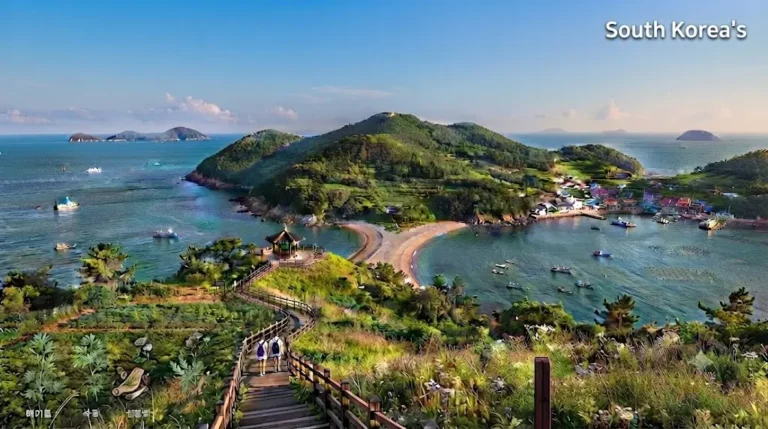
Image Caption: A scenic coastal view of local abalone aquaculture farms stretching across the calm blue waters surrounding Nohwado Island.
Frequently Asked Questions (FAQ)
Q1: Is a rental car necessary for a Nohwado Travel Guide trip?
- Yes, public bus services connecting Nohwado’s remote coastal villages and farming sites run infrequently.
- Bringing a rental car across via the car ferry from Hwaheungpo Port is strongly recommended.
Q2: How many days should I allocate for Nohwado?
- A 1 to 2-day itinerary is ideal to fully explore Nohwado’s cultural trees, temples, and local seafood spots without rushing.
- Many travelers combine Nohwado with a neighboring trip to Bogildo Island.
Q3: Where is the best place to stay overnight on Nohwado?
- Most local accommodations, including clean guesthouses and local pensions, cluster near Dongchon Port and the main township.
- Booking in advance is recommended during peak summer harvest and holiday seasons.
Q4: Can I visit Nohwado during the winter season?
- Yes, the island remains accessible year-round via regular ferries, though winter winds can make coastal walks quite brisk.
- Winter is the prime season to taste ultra-fresh, premium local abalone dishes.
Q5: What local food should I try during my visit?
- Fresh seafood is the ultimate specialty, particularly premium abalone and mussels harvested directly from Nohwado’s clean waters.
- Look for local eateries serving grilled abalone, abalone porridge, and rich seafood stews.
Conclusion: Nohwado Travel Guide Summary
- Core Summary 1: Nohwado Travel Guide ensures you experience a unique blend of deep agricultural maritime heritage and serene Buddhist temples like Geuknaksa.
- Core Summary 2: Prioritizing ferry transit logistics from Hwaheungpo Port and bringing a vehicle will protect your itinerary from unexpected delays.
- Core Summary 3: Exploring local abalone farms and ancient village trees completes an authentic southern island getaway.
Call to Action (CTA): Plan your ferry schedule today, check maritime safety updates, and experience the true hidden charm through Nohwado Travel Guide.
🔗 You Might Also Like
South Korea Imjado Travel Guide: Discovering the Hidden Diamond Island
South Korea Cheongsando Travel Guide: Discovering the Slow City Masterpiece