Nohwado Island Travel Guide: Ferry Transit & Itinerary Tips
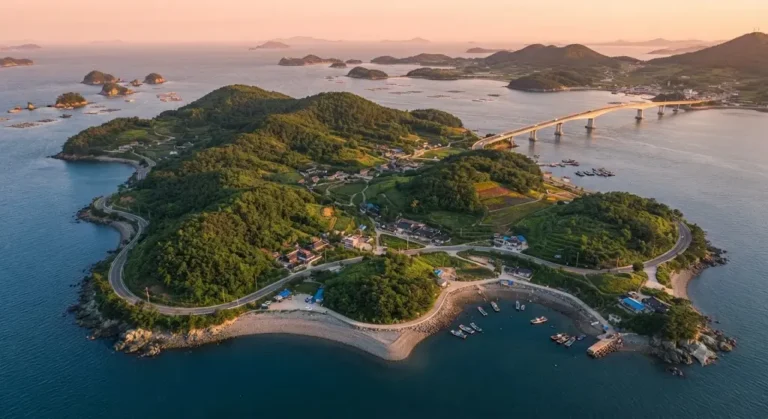
Famous for its tranquil rural landscapes, vibrant abalone farms, and rich historical footprints, Nohwado Island in Wando-gun is one of South Korea’s most fascinating island escapes.
While major official tourism portals and general guides often focus on standard driving routes, independent travelers can easily explore this island using practical ferry transits, local buses, and scenic walking paths.
Today, this comprehensive Nohwado Island travel guide provides a realistic, highly actionable car-free itinerary using public transit, local transport tips, and essential insider advice.
1. Why Exploring Nohwado Island Requires Careful Public Transit Planning
Nohwado Island is located in the southern archipelago of Wando, primarily accessible via ferry from Wando Port (Hungdo Harbor) or Haenam (Ttangkkut Port).
Local public transportation on the island—including island buses that connect the main ports and historical sites—operates around limited schedules timed with incoming ferry arrivals.
For accurate ferry ticketing and scheduling, checking the Wando regional maritime terminal information or regional ticketing portals beforehand is an absolute must.
💡 Pain Points & Solutions for Public Transit Travelers
- Ferry Coordination: Because Nohwado requires a boat ride (ranging from 30 minutes to over an hour depending on your departure point, such as Ttangkkut or Wando), you must align your arrival harbor (like Sanyang Port) with the local bus schedule.
- Navigating Without a Car: Nohwado is connected to neighboring islands like Bogildo via bridge, making it possible to expand your car-free exploration if you time your walks or local bus rides properly.
2. Realistic Nohwado Public Transit Itinerary & Time Breakdown
This itinerary assumes a departure from Ttangkkut Port in Haenam or Wando Port, arriving at Sanyang Port or Nohwa Port on Nohwado.
- Step 1: Ferry to Nohwado Island (Duration: Approx. 30 to 50 minutes)
- Board the car or passenger ferry bound for Nohwado (Sanyang Harbor).
- Field Tip: Book your ferry tickets in advance during peak travel seasons. Use KakaoMap or Naver Map to track local harbor arrivals and align with local bus departures.
- Step 2: Exploring Historical & Cultural Sites (Duration: Approx. 2 hours)
- Take the local island bus or walk to key local attractions, such as the sites linked to Admiral Yi Sun-sin’s historical naval maneuvers or the scenic coastal viewpoints.
- Field Tip: Wear comfortable walking shoes as rural paths and coastal walkways can be unpaved in sections. Pack bottled water and light snacks.
- Step 3: Savoring Local Abalone Cuisine & Returning via Port (Duration: Approx. 1.5 hours)
- Conclude your tour near the main port area, enjoy fresh local abalone dishes (Nohwado is one of Korea’s top abalone producers) at a local eatery, and catch the afternoon ferry back.
- Field Tip: Double-check the final afternoon ferry departure time with the port ticket office as soon as you arrive to avoid missing the last return boat.
3. Essential Facts & Field Tips for Nohwado Travelers
- Seasonal Highlights: Nohwado offers a peaceful retreat year-round, with spring and autumn providing the ideal crisp weather and clear coastal visibility for exploration.
- Finding Food: Local restaurants near the main ports serve fresh seafood and world-class local abalone delicacies. Rural kitchens often close early, so plan your meals right after your sightseeing tour.
- Weather & Gear: Coastal winds and strong sun can affect island walking. Always pack sunscreen, a hat, and comfortable layers. More regional updates and ferry alerts can be verified via the Wando-gun Official Tourism Website.
4. Frequently Asked Questions (FAQ)
Q1. Is it possible to visit Nohwado Island without a car?
Yes, it is entirely possible using the island’s local public bus service or walking, though careful scheduling of the bus timetables with ferry arrivals is vital.
Q2. How long does the ferry ride take to Nohwado?
Depending on your departure port (such as Haenam’s Ttangkkut Port or Wando Port), the boat ride takes between 30 and 50 minutes.
Q3. When is the best time to visit Nohwado Island?
Spring and autumn are widely considered the best seasons due to comfortable temperatures and optimal conditions for exploring the island.
Q4. What is Nohwado most famous for?
Nohwado is nationally renowned for its massive abalone aquaculture production, scenic southern island landscapes, and close historical ties to Admiral Yi Sun-sin.
Q5. Are there accommodations and convenience stores on the island?
Local guesthouses, minbak, and small marts are concentrated near the main port areas, but booking lodging in advance during peak seasons is recommended.
Q6. Can I visit neighboring islands from Nohwado?
Yes, Nohwado is linked by bridge to Bogildo, making it very convenient to explore both islands together on a single trip.
5. Conclusion & Related Guides
Nohwado Island is a peaceful southern sanctuary filled with rich maritime history, vibrant local culture, and breathtaking coastal charm.
Mastering the ferry timetables and coordinating your local bus connections will ensure a deeply relaxing, car-free adventure in Wando.