Anmyeondo Island Travel Guide: Ultimate 3-Day Coastal Survival Blueprint
Anmyeondo Island Travel Guide is your ultimate blueprint to conquering South Korea’s most stunning West Coast escape. If you are looking for the best Anmyeondo Island Travel Guide, you have come to the right place. This Anmyeondo Island Travel Guide will show you the hidden treasures of this beautiful region.
However, treating this tidal island as a simple, spontaneous beach getaway is a massive trap. Without strict planning, you will find yourself trapped in brutal weekend tourist gridlock on the narrow two-lane bridges, or stranded on the mudflats watching your rental car get swallowed by the rapidly rising Yellow Sea tide.
Instead of wasting your precious vacation stuck in traffic or miscalculating the ocean’s clock, this streamlined Anmyeondo Island Travel Guide delivers the exact mobile-friendly logistics, structural data, and insider routing needed to explore flawlessly.
Table of Contents
The Reality of Getting to Anmyeondo: Bridges, Tides, and Traffic Traps
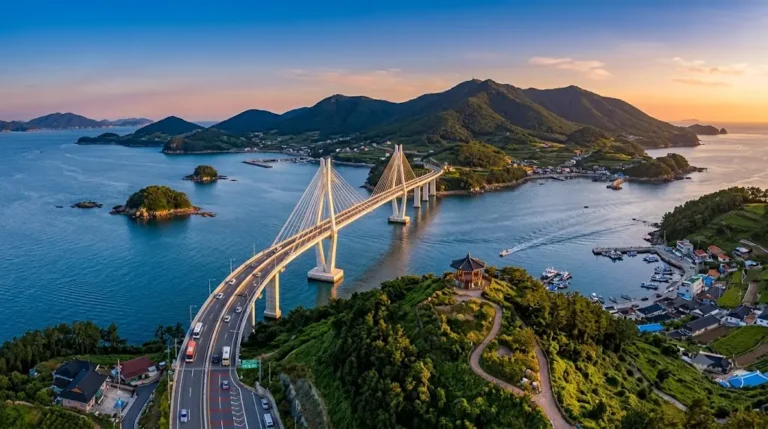
While 안면도자세한 내용을 보려면 클릭하여 측면 패널을 여세요 is connected to the mainland via bridges and the Boryeong Undersea Tunnel, timing your entry and exit is critical to avoiding a multi-hour logistical nightmare.
- The Tidal Trap: The West Sea has one of the highest tidal ranges in the world. Roads leading to certain coastal scenic spots can completely submerge within hours, making it mandatory to track daily tidal charts.
- The Weekend Bottleneck: Route 77 is the main artery cutting through the island. On Saturdays after 10:00 AM, this road turns into a parking lot.
| Route / Method | Average Travel Time | Logistics Type | Best Used For | Pro Tips |
| Seoul to Anmyeondo (Drive) | 2.5 – 3 Hours | West Coast Expressway | Road-trippers and families | Leave before 7:00 AM on weekends to clear the Seohae Grand Bridge bottleneck. |
| Boryeong Undersea Tunnel Route | 1.5 Hours (from Daecheon) | National Route 77 | Travelers coming from Southern/Central Korea | Use this route to combine Daecheon Beach and Anmyeondo into one fluid trip. |
| Express Bus from Seoul | 2 Hours 20 Mins | Central City to Anmyeondo | Solo backpackers and budget travelers | Secure your return tickets on the “Intercity Bus T-money” app the moment you arrive. |
Best 3-Day Itinerary: Pine Forests & Golden Sunsets Unlocked
Deploy this strategic route to hit 안면도자세한 내용을 보려면 클릭하여 측면 패널을 여세요’s iconic highlights before the massive tour buses clog the coastal paths.
1. Anmyeondo Island Natural Recreation Forest: Healing in the Ancient Pines
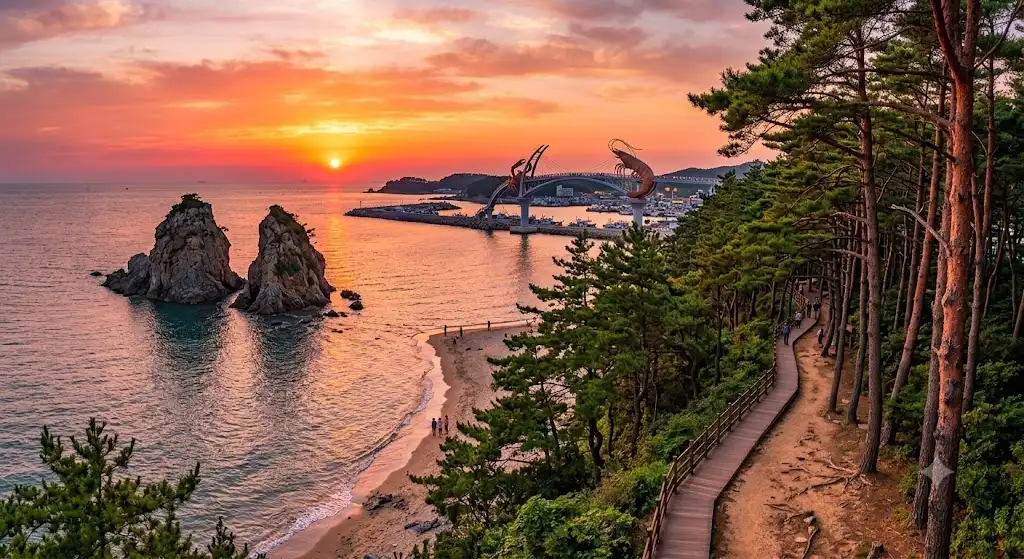
This forest preserves South Korea’s native red pines (Anmyeongsong), which were historically protected for royal palace construction. Walking along the elevated wooden boardwalks rewards you with the deep, therapeutic scent of phytoncides and a completely peaceful escape from the humid sea air.
2. Kkotji Beach: The Twin Rock Golden Hour
Kkotji Beach is world-renowned for its two massive coastal rock pillars: Granny Rock (Halmeonibawi) and Grandpa Rock (Harabeojibawi). During low tide, you can walk directly across the exposed sea floor to the base of the rocks, but the real magic happens at high tide during sunset, when the sun drops directly between the twin peaks.
3. Baekasajang Harbor & Gkotge Bridge: The Walkway Over the Waves
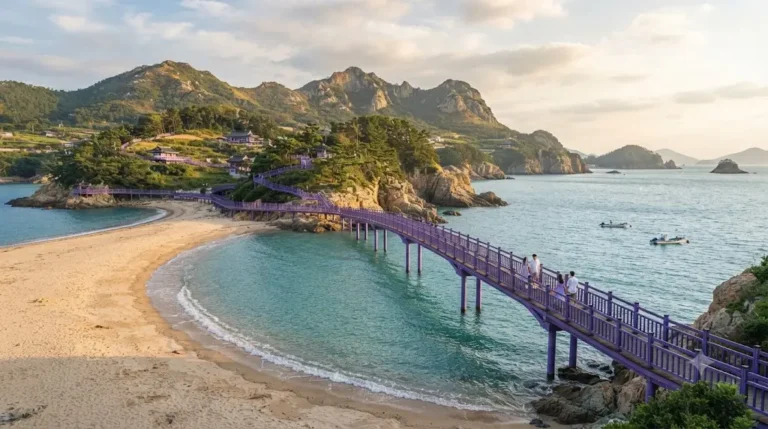
Baekasajang Harbor is a bustling local fishing port famous for its pedestrian-only “Cangseon-gyo” suspension bridge shaped like a giant crab fishing net. Walking across the spiraling ramp puts you high above the rushing tidal currents, offering an unparalleled panoramic view of the fishing fleet returning with the day’s catch.
⚠️ Key Practical Warning (EEAT Experience):
Do not rely on local digital maps for real-time mudflat safety. The tide in the West Sea moves faster than a human can sprint. If you venture out onto the mudflats near Kkotji Beach to dig for clams, strictly set a smartphone alarm for 30 minutes before the official low-tide peak. Once the tide turns, the water rushes into hidden deep channels behind you first, cutting off your path back to the mainland.
What to Eat: Anmyeondo’s Exclusive Culinary Highlights
Because of its extensive mudflats and nutrient-rich waters, the island has developed a highly specialized seafood ecosystem that you cannot replicate elsewhere.
- Gekgukji (Blue Crab & Kimchi Stew): This is the ultimate local soul food. Fresh, sweet local blue crabs (Gkotge) are stewed alongside salted cabbage, aged kimchi, and pump prawns in a deeply savory, clear seafood broth that local food critics highly praise.
- Gan-jang Ge-jang (Soy Marinated Crab): The raw blue crabs caught off the coast are marinated in a master soy sauce brew infused with local medicinal herbs, resulting in a rich, buttery texture with zero fishy aftertaste.
- Anmyeondo Sweet Potato Bread: The island’s unique sandy, loamy soil produces incredibly sweet red potatoes. Drop by the small harbor bakeries for freshly baked sweet potato-shaped pastries packed with dense, naturally sweet filling.
Anmyeondo Travel FAQ: Master Your Trip Logistics
Q: When is the best season to visit Anmyeondo?
A: Autumn (September to November) is spectacular. This is the peak season for jumbo prawns (Daeha) and blue crabs, the weather is crisp, and the autumn foliage matches the golden sunsets perfectly.
Q: Can I drive through the Boryeong Undersea Tunnel for free?
A: Yes, the Boryeong Undersea Tunnel—South Korea’s longest and the world’s fifth-longest undersea tunnel—is completely toll-free, making island-hopping down to Daecheon incredibly seamless.
Q: Are mudflat clay experiences open to anyone?
A: While walking on the public sand is free, major clam-harvesting mudflats are managed by local village cooperatives (Eochon-gye). To avoid trespassing fines, enter through an official “Mudflat Experience Village” by paying a nominal entry fee ($5,000 to $10,000 KRW) which includes boots and tools.
Q: Is English widely supported on the island?
A: Major natural parks and state-run forests have standard English maps. However, authentic Gekgukji diners and local pension hosts rarely speak English. Make sure to download Papago and pre-configure offline maps before arrival.
Q: Is it easy to find modern luxury accommodations?
A: While traditional pensions (minbak) dominate the landscape, the northern and western coasts have seen a massive surge in modern luxury pool villas and glamping sites overlooking the ocean. Book at least a month in advance for weekend stays.