Bogildo Island: The Ultimate Travel Guide to Yun Seon-do’s Historic Paradise
Quick Summary: Bogildo Island is a scenic South Korean island in Wando renowned for its stunning Joseon Dynasty gardens, pristine pebble beaches, and rich literary history rooted in poet Yun Seon-do.
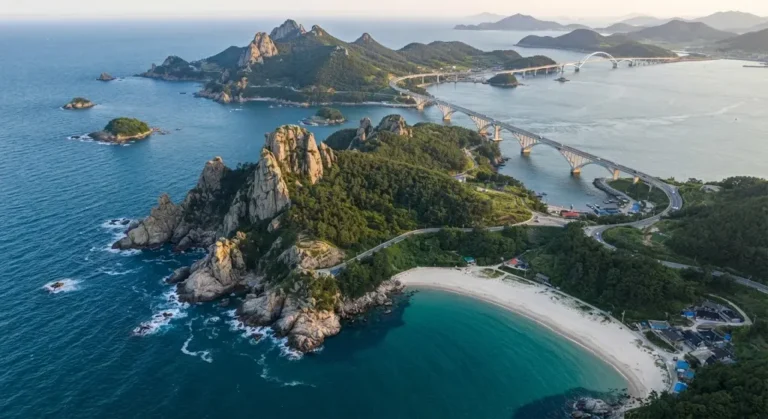
Bogildo Island (보길도) is a tranquil cultural haven situated off the southwestern coast of South Korea, offering a unique blend of breathtaking natural landscapes and profound historical heritage. Famous for preserving the exquisite Buyongdong Garden created by the renowned Joseon Dynasty poet Yun Seon-do, this island invites travelers to step back in time and immerse themselves in serene coastal beauty.
What are the best things to do on Bogildo Island?
Bogildo Island offers visitors a captivating mix of classical architecture, dramatic coastal viewpoints, and unique natural wonders.
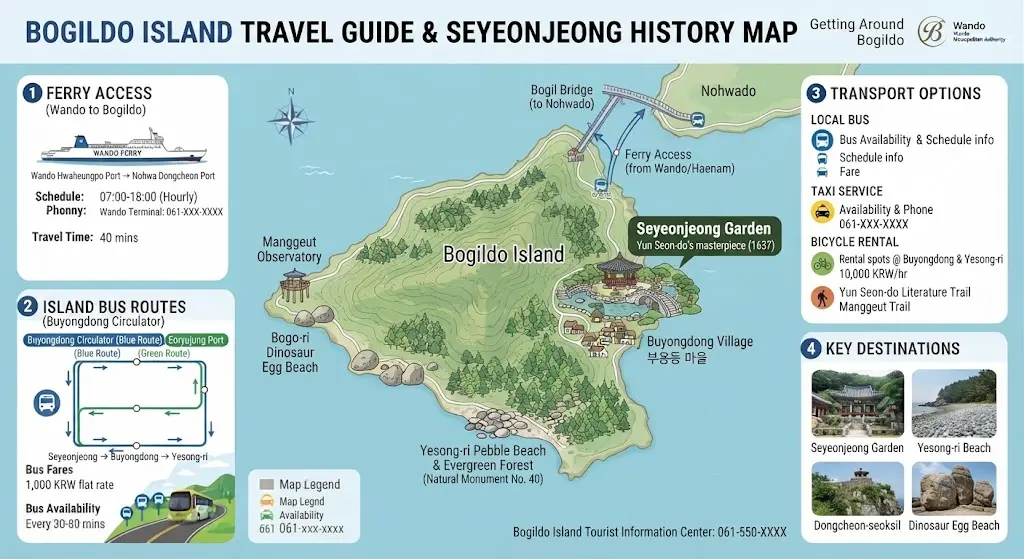
- Seyeonjeong Garden (세연정): Korea’s premier classical landscape garden featuring scenic ponds, stone bridges, and a historic pavilion where poet Yun Seon-do enjoyed poetry and music.
- Yesong-ri Pebble Beach & Evergreen Forest: A stunning 1.4km beach covered in smooth, dark round pebbles framed by a 300-year-old natural windbreak forest (Natural Monument No. 40).
- Bogo-ri Dinosaur Egg Beach (공룡알해변): A unique shore filled with large, smooth boulders resembling giant dinosaur eggs, paired with rugged rock formations and camellia forests.
- Manggeut Observatory (망끝전망대): The ultimate western vantage point on the island, famous for offering sweeping panoramic views of the Dadohae archipelago and breathtaking sunset vistas.
💡 Insider Experience Tip: Visit the historic Dongcheon-seoksil (동천석실) perched on a steep valley cliff—a hidden stone study where Yun Seon-do meditated and read books like a Taoist hermit.
For official regional tourism updates and cultural facility guides, check the Wando County Official Tourism Portal.
What is the famous local food to try in Bogildo?
Dining on Bogildo focuses on nutrient-rich marine harvests, fresh local seafood, and traditional southern island flavors.
- Jeonbok (Abalone / 전복): Premium local abalones cultivated extensively in the clean, nutrient-dense waters around Wando and Bogildo, served grilled, raw, or in rich porridge.
- Gaetbol Jjuggumi / Local Seafood Feasts: Fresh seasonal seafood caught straight from the mudflats and clean coastal waters surrounding the island.
- Namdo Baeban (Southern Korean Table Setting / 남도백반): A hearty traditional spread accompanied by an array of homemade fermented side dishes (banchan) and regional marine delicacies.
💡 Insider Experience Tip: Stop by local producer-run shops or traditional markets near Nohwado (connected to Bogildo by bridge) to purchase fresh abalone at affordable prices.
For detailed regional dining guides, visit the Visit Korea Official Food Guide.
How do you get to Bogildo Island from major hubs?
Reaching Bogildo typically involves taking a ferry via neighboring Nohwado Island, which is directly connected to Bogildo by a bridge.
| Departure Point | Transport Method | Route / Details | Travel Time |
| Seoul | Express Bus & Ferry | Seoul Central City Terminal to Wando Bus Terminal, transfer to Hwaheungpo Port, then ferry to Nohwado/Bogildo. | Approx. 6 to 7 hours total |
| Wando (Hwaheungpo) | Passenger Ferry | Direct passenger ferry from Hwaheungpo Port to Nohwado Island, followed by a short bus or taxi across the bridge to Bogildo. | Approx. 30–40 mins ferry + land transit |
| Haenam (Galdu/Dtanghansu) | Ferry Service | Ferry service operating from Haenam’s southern ports directly toward the Nohwado/Bogildo area. | Approx. 30 to 50 minutes |
For up-to-date ferry timetables and online ticket reservations, visit the Korea Shipping Association Island Ticketing Portal.
Frequently Asked Questions (FAQ)
Do I need to take a ferry to reach Bogildo Island?
Yes, because Bogildo is an offshore island, you must take a passenger and vehicle ferry from mainland ports like Wando Hwaheungpo or Haenam.
Is Bogildo Island connected to any other islands by road?
Yes, Bogildo is directly connected to neighboring Nohwado Island via the Bogil Bridge, making travel between the two islands seamless by car or local shuttle.
What is the best season to visit Bogildo Island?
Spring (April–May) and autumn (September–October) offer the most pleasant weather for exploring outdoor historical gardens and coastal walking trails.
Can I bring my car onto the ferry to Bogildo?
Yes, vehicle-carrying ferries are available from major mainland ports, which is highly recommended if you want to explore the island’s spread-out attractions efficiently.
Are there historical sites other than gardens on Bogildo?
Yes, visitors can explore the historic Rock Inscription left by scholar Uam Song Si-yeol at Baekdo-ri beach as he was exiled to Jeju Island.
Is Bogildo suitable for a day trip or an overnight stay?
While a fast-paced day trip is technically possible, staying 1 or 2 nights in a local minbak (guesthouse) or pension allows you to fully experience the island’s slow pace and sunsets.
Conclusion
Bogildo Island is a magnificent destination where classical poetry, royal garden landscaping, and wild southern coastal beauty meet in perfect harmony.
Whether you are wandering through the serene pathways of Seyeonjeong or listening to the soothing waves at Yesong-ri Pebble Beach, this historic island offers an inspiring and deeply peaceful retreat.
Related Posts
Wando Travel Guide: How to Visit Without a Car (Public Transit & Realistic Itinerary)
Cheongsando Island: The Ultimate Travel Guide to Slow City Paradise