Jeju Island Without a Car guide: 3-Day Solo Transit Itinerary & Bus Guide
In this ultimate Jeju Island Without a Car guide, you will instantly discover:
- Exact airport express bus routes (like the famous Airport Limousine Bus 600) to navigate the island seamlessly without a vehicle.
- Step-by-step public transit itineraries linking walkable coastal trails and quiet local neighborhoods.
- Practical local FAQs regarding T-Money card reloads, bus scheduling apps, and budget guesthouses.
Attempting to explore Jeju Island Without a Car without understanding regional bus intervals, transfer hubs, and coastal walking connections can leave you stranded in rural towns as daylight fades.
I still vividly remember my first solo 뚜벅이 (car-free) trip—stranded at a wind-swept bus stop in Jocheon as three consecutive buses bypassed me because they were already packed, leaving my phone battery blinking at a desperate 4%. Shivering in the sudden sea breeze, I realized that relying blindly on Google Maps in rural Jeju was a rookie mistake.
Trust me, learning from my messy logistics missteps and mastering Jeju Island Without a Car logistics ahead of time will transform your solo adventure from stressful to liberating.
Essential Jeju Island Without a Car Logistics & Budget
| Category | Details | Pro Tips |
| Main Hubs | Jeju City Intercity Bus Terminal & Seogwipo Hub | Always stay near a major terminal for easy transfers. |
| Transit Card | T-Money or CashBee | Load extra cash; rural buses sometimes lack instant top-up kiosks. |
| Best Time to Visit | April to June & September to October | Enjoy comfortable temperatures for long walks and outdoor transit waiting. |
| Estimated Budget | $50 – $80 per day | Spend significantly less on transport by utilizing efficient public bus passes. |
Key Practical Warning (EEAT Experience)
Jeju rural buses operate on much wider intervals (often 40 to 60 minutes apart) compared to Seoul’s rapid subway system, and missing a single connection can derail your entire afternoon schedule.
Failing to track real-time arrivals using local apps like KakaoMap or Naver Map can leave you waiting endlessly in sudden coastal downpours. Always double-check return bus times before stepping onto remote hiking paths or isolated beaches.
For official public transport maps, schedule updates, and transit safety guidelines, you can cross-reference the Visit Jeju Official Portal and the Jeju Tourism Organization. Additional national transit apps and tourist assistance can also be reviewed through the Visit Korea Official Website.
Top Attractions in Your Jeju Island Without a Car Guide
1. Accessible Coastal Trails and Quiet Hamlets
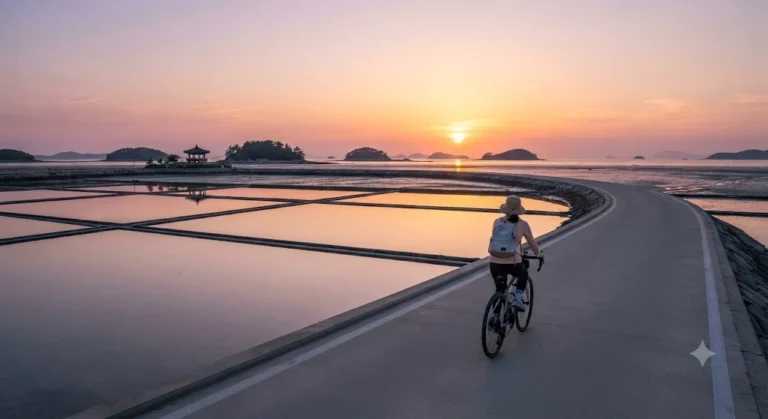
Jeju Island features incredible walking paths like portions of the Olle Trail that link directly to local bus stops without requiring a rental car.
Wandering through peaceful coastal villages lets you experience authentic island life, local seafood spots, and dramatic sea views at your own unhurried pace.
I still cherish the crisp morning I stepped off local green bus No. 201 into a quiet seaside hamlet, following a stone-walled path right down to a hidden tide pool sparkling in the early light. There was no one around except an old haenyeo sorting her catch by the seawall.
2. Urban Cafes and Cultural Hubs in Jeju City & Aewol
Immerse yourself in the creative energy of Jeju’s cafe culture by exploring walkable districts easily reached by city buses from the airport.
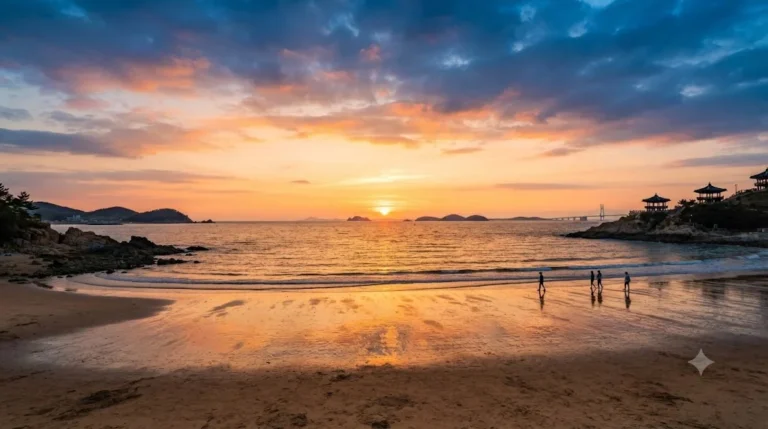
You can sample local citrus-infused pastries, browse indie bookstores, and watch the sunset from vibrant coastal benches.
Navigating these pockets on foot gives you total freedom to linger wherever you find the best atmosphere.
Frequently Asked Questions for Your Jeju Island Without a Car Guide
Q1: Can I really travel around Jeju completely without a car?
Yes, you can easily travel around Jeju Island Without a Car by utilizing the island’s well-connected express bus system, such as the Airport Limousine Bus 600 (which runs from Jeju International Airport down to Jungmun and Seogwipo every 15 to 20 minutes, taking about 80 minutes total). However, reaching deep mountain trailheads or remote rural hamlets still requires extra walking or occasional local taxi rides.
Q2: Which navigation app works best for buses in Jeju?
KakaoMap and Naver Map provide precise, real-time bus arrival times and English route planning. Google Maps is helpful for general overviews, but local Korean apps are essential for exact bus stop locations and live schedules.
Q3: Where is the best place to stay for a car-free trip?
Near Jeju City Hall or Jeju Intercity Bus Terminal for maximum network coverage across the entire island. Around Seogwipo downtown if you want direct access to southern coastal walks and waterfall trails.
Q4: What local budget-friendly food should I try?
Warm bowls of Jeju-style noodle soup (gogi-guksu) near local markets. Fresh seafood rice bowls served in family-run neighborhood diners near transit drops. Refreshing Hallabong ade from small independent cafes along the coastal walks.
Q5: Is it difficult to communicate with drivers if I don’t speak Korean?
Most major route numbers are displayed in English, and bus terminals feature bilingual electronic boards. Showing your destination name written in Korean hangeul on your phone screen to the driver ensures smooth boarding.
Conclusion: Final 3-Step Jeju Island Without a Car Summary
Jeju Island offers a deeply rewarding escape for independent travelers willing to embrace its rhythm through public transportation.
To ensure a successful and high-ranking journey using this specialized Jeju Island Without a Car guide, follow these final steps:
- Master local navigation apps like KakaoMap before departure to track live bus arrivals accurately.
- Choose a central accommodation near a major transport hub to minimize complicated transfers.
- Pack light to make walking between bus stops and guesthouses comfortable and effortless.
Start planning your ultimate Jeju Island Without a Car adventure today and discover the freedom of exploring Korea’s favorite island paradise on foot!
You Might Also Like
Geumhodo Island Travel Guide: The Scenic Island of Flowers
Saokdo Island Travel Guide: Gateway to Sinan’s Coastal Wonders
Yokjido Island Travel Guide: The Gem of Tongyeong’s Open Sea
Chodo Island Travel Guide: The Emerald Jewel of Yeosu’s Archipelago
Seodo Island Travel Guide: Discover Yeosu’s Hidden Dinosaur & Miracle Sea Road Gem